News
ADLM 2026 Recap: The Future of Laboratory Information Systems Is Integrated

August 5, 2026
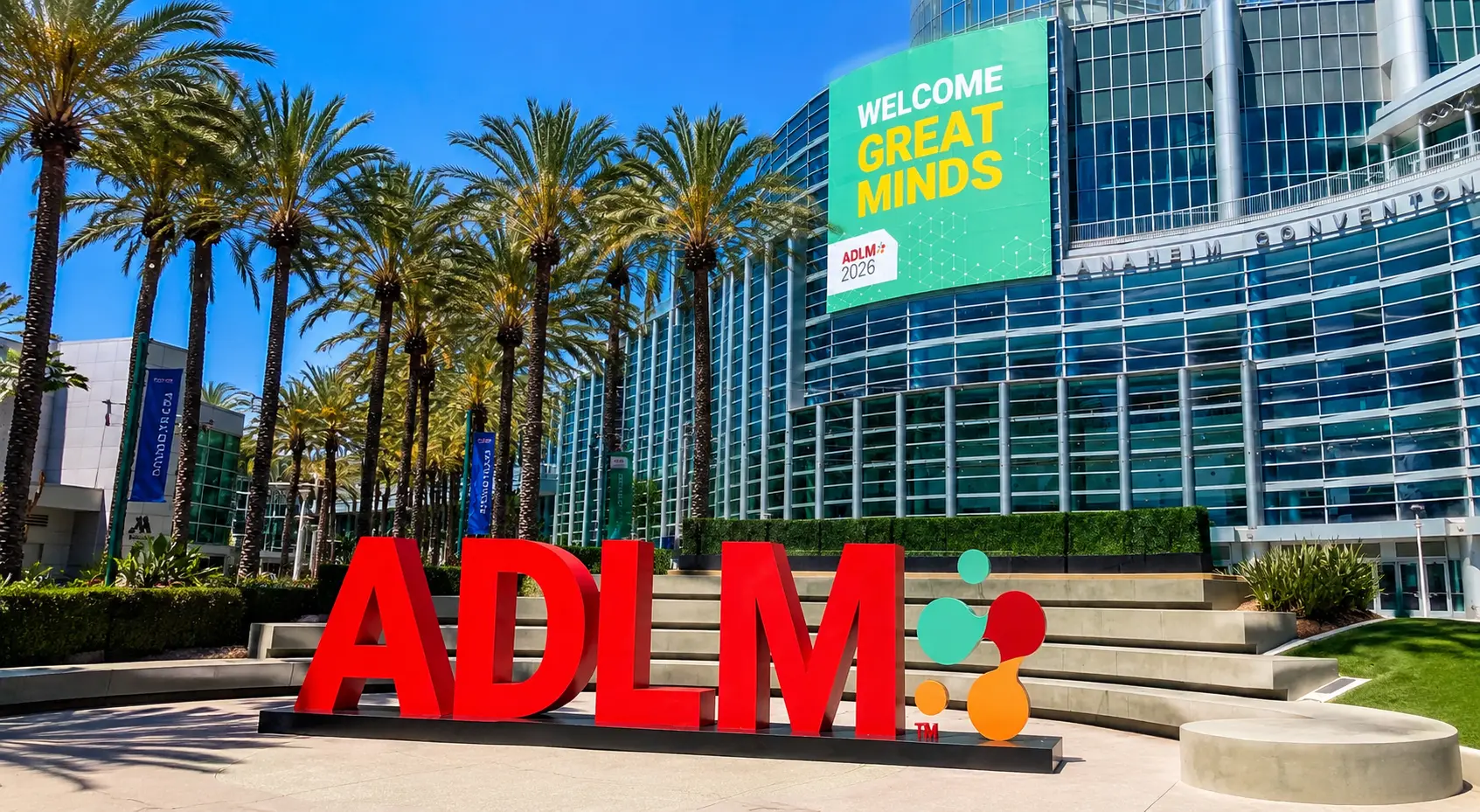
ADLM 2026 once again demonstrated why it remains one of the premier healthcare events on the calendar. Bringing together thousands of laboratory professionals, pathologists, executives, researchers, and technology innovators from around the world, the conference provided an outstanding opportunity to explore the future of diagnostics and the technologies transforming medical laboratories.
For LigoLab, the week was filled with meaningful conversations, exciting product discussions, educational sessions, and valuable opportunities to connect with current customers, prospective laboratory partners, and industry leaders. From the bustling Clinical Lab Expo floor to our educational press conference on laboratory information system (LIS) and laboratory revenue cycle management (RCM) integration, ADLM reinforced one important message: today's laboratories are actively seeking modern LIS software that unifies operations, automation, and financial performance into a single platform.
Most importantly, we'd like to extend our sincere thanks to the hundreds of laboratory professionals who visited the LigoLab booth during the conference. Your questions, insights, and enthusiasm made this year's event one of our most rewarding ADLM experiences to date.
Industry Insights: The Modern Laboratory Blueprint - Aligning People, Processes, and Technology for Long-Term Success
A Week of Meaningful Conversations
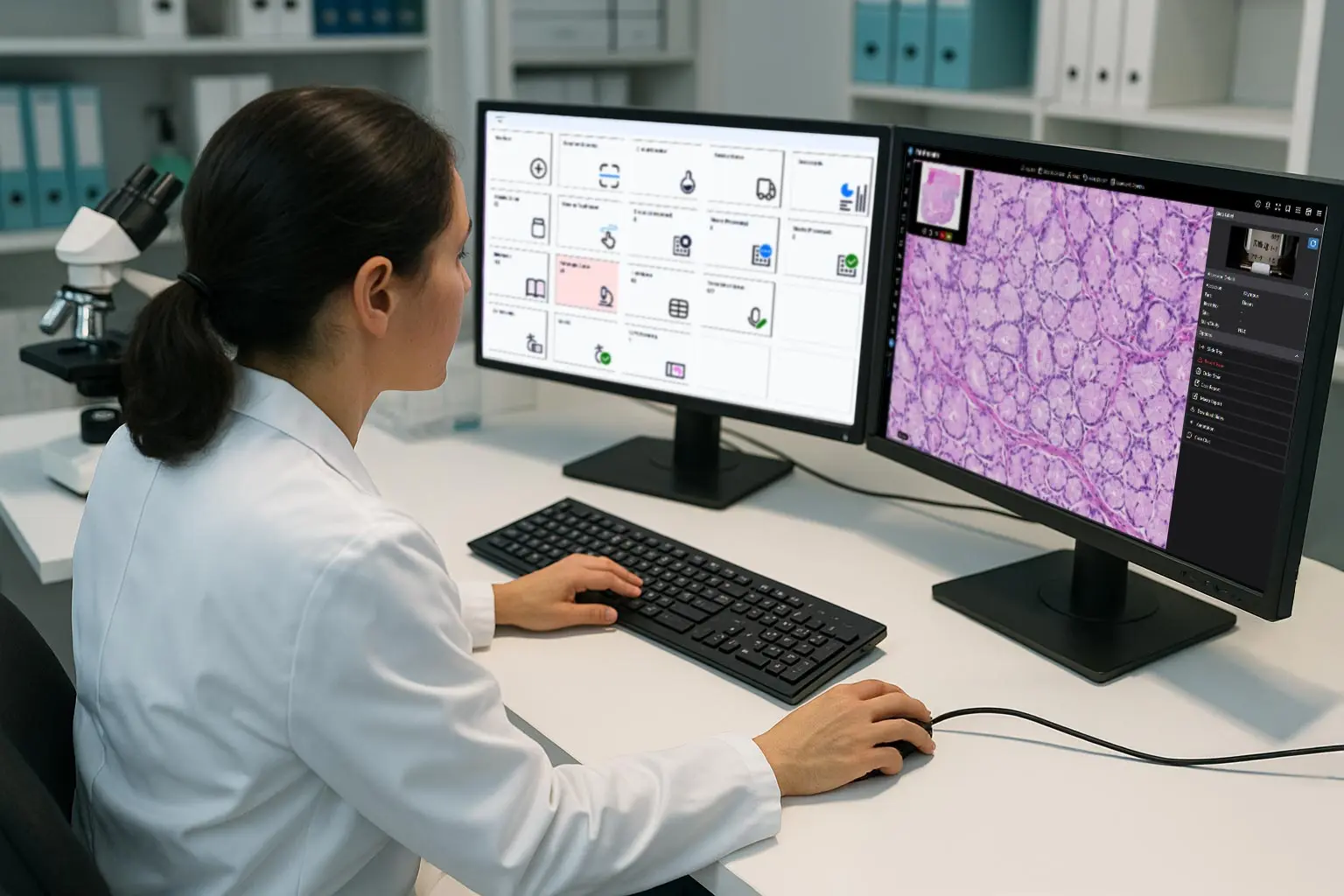
Throughout the Clinical Lab Expo, our team demonstrated how the all-in-one LigoLab Informatics Platform helps pathology groups and clinical laboratories replace disconnected legacy laboratory software systems with a unified informatics platform.
The conversations we had reflected many of the challenges and technical hurdles laboratories continue to face today:
- Persistent staffing shortages
- Increasing reimbursement pressure
- Growing specimen volumes
- Rising operational complexity
- Laboratory interoperability
Rather than searching for isolated software solutions to address each challenge individually, we encouraged the laboratory leaders we spoke with to consider an integrated laboratory information system capable of managing the entire diagnostic workflow from order entry through final reimbursement.
That philosophy has long been at the core of the LigoLab Informatics Platform, and it clearly resonated with the laboratory professionals who visited our booth throughout the week.
By combining enterprise-grade laboratory information system software with embedded laboratory revenue cycle management functionality, laboratories gain a single source of truth that improves workflow efficiency, strengthens financial performance, and provides real-time operational visibility across the organization.
Discover More: The High Price of Standing Still in Laboratory Revenue Cycle Management

Spotlighting the Future of Laboratory Revenue Cycle Management
One of the highlights of ADLM 2026 was LigoLab's July 29 educational press conference:
What Labs Get Wrong About Revenue Cycle Management
Presented by Aram Avakyan, LigoLab's Revenue Cycle Management Product Manager, the session challenged one of the laboratory industry's most persistent misconceptions:
Revenue cycle management does not begin with laboratory billing.
Instead, attendees learned that laboratory revenue cycle management begins the moment a test is ordered.
Every operational event, from patient registration and insurance verification to accessioning, coding, documentation, specimen processing, and reporting, impacts reimbursement.
When laboratory billing operates separately from the laboratory information system, critical patient and payer information is often verified too late in the testing process. Missing demographics, insurance eligibility issues, incomplete documentation, and coding errors frequently result in claim denials, delayed reimbursement, and unnecessary administrative rework. By integrating modern laboratory information system software with advanced laboratory revenue cycle management, laboratories can validate this information at the point of order entry, preventing downstream errors before they occur.
The presentation reframed lab revenue cycle management as an operational strategy rather than simply a financial function.
Industry Insights: Best Laboratory Billing Software Solutions - A Complete Comparison for Clinical, Pathology, and Outreach Labs
Why Integrated LIS and Laboratory Billing Systems Matter
Across nearly every conversation we had during ADLM, one theme consistently emerged: laboratories are looking to simplify.
Managing multiple disconnected applications creates duplicate work, fragmented data, and limited visibility into overall laboratory performance.
Modern laboratory information system software should do far more than manage specimens and produce reports because today's enterprise laboratories require a platform capable of supporting:
- Laboratory workflow automation
- Digital pathology integration
- AI-powered workflow optimization
- Advanced analytics and reporting
- Revenue cycle management
- Laboratory billing automation
- Client connectivity
- Patient engagement
- Interoperability with EHRs and healthcare systems
By embedding laboratory billing functionality directly within the LIS software, laboratories eliminate redundant data entry, improve first-pass claim acceptance, reduce denials, and gain real-time visibility into both operational and financial performance. Even better, they are empowered to identify workflow bottlenecks, monitor key performance indicators, and make faster, data-driven decisions using a single operational dashboard.
Discover More: Unlocking Smarter Lab Operations - LigoLab’s Optional Automation and Intelligence Features
Innovation Continues to Drive Laboratory Transformation
ADLM 2026 also reinforced how laboratory technology continues to evolve.
Artificial intelligence, intelligent automation, digital pathology, cloud-native architectures, and interoperability were among the most discussed topics throughout the conference.
Many attendees visited the LigoLab booth specifically to learn how these technologies are already being incorporated into daily laboratory operations.
Discover More: A Closer Look at LigoLab’s Commitment to Innovation
Thank You for Visiting LigoLab
The greatest part of ADLM isn't the technology; it's the people.
To everyone who stopped by the LigoLab booth, attended our press conference, scheduled a meeting, or shared your laboratory's goals and challenges, thank you.
We had the privilege of meeting lab professionals from across the healthcare industry, and every conversation reinforced our commitment to building information systems and data management software that addresses the real-world challenges laboratories face every day.
The conversations started in Anaheim don't end there. We look forward to continuing them in the weeks and months ahead as laboratories evaluate new strategies to improve efficiency, strengthen financial performance, and prepare for continued growth.
Industry Insights: From LIS System of Record to LIS System of Action - The Next Evolution of Laboratory Information Systems
Missed Us at ADLM? Let's Connect
If you attended ADLM 2026 but didn't have the opportunity to visit the LigoLab booth or attend our press conference, there's still plenty of time to connect.
Whether you're evaluating new laboratory information system software, exploring integrated laboratory billing systems, planning a digital pathology initiative, investigating AI-powered laboratory automation, or looking for ways to improve lab revenue cycle management, we'd welcome the opportunity to learn more about your laboratory and discuss your goals. Contact a LigoLab product specialist and find out what’s possible with an integrated LIS system and laboratory billing platform.
Act Now: Contact a LigoLab Product Specialist!
Frequently Asked Questions About ADLM and LigoLab
What did LigoLab showcase at ADLM 2026?
At ADLM 2026, LigoLab demonstrated its all-in-one laboratory information system (LIS) and laboratory revenue cycle management (RCM) platform. Visitors learned how a unified informatics platform streamlines laboratory workflows, automates administrative processes, supports digital pathology, improves interoperability, and increases reimbursement by integrating laboratory billing directly into the LIS.
What was the focus of LigoLab's ADLM 2026 press conference?
LigoLab's July 29 press conference, "What Labs Get Wrong About Revenue Cycle Management," challenged the common misconception that revenue cycle management begins with back-end lab billing. The presentation demonstrated how revenue integrity actually starts at order entry and extends throughout every operational step, including patient registration, accessioning, coding, documentation, and claim submission.
Why is integrating a laboratory information system with laboratory billing software important?
An integrated laboratory information system and laboratory billing platform eliminates disconnected workflows that often lead to claim denials, duplicate data entry, and revenue leakage. By validating patient demographics, insurance eligibility, prior authorizations, and coding information upstream, laboratories enhance claim accuracy, reduce manual rework, and expedite reimbursement.
How does LigoLab help laboratories improve operational efficiency?
LigoLab automates manual tasks that slow laboratory operations, including accessioning, specimen tracking, workflow routing, reporting, laboratory billing, and analytics. The platform also provides real-time dashboards that help laboratory leaders identify bottlenecks, monitor key performance indicators, and continuously optimize operations.
Does LigoLab support digital pathology workflows?
Yes. LigoLab integrates with leading digital pathology platforms to streamline case management, slide access, image viewing, reporting, and pathologist workflows.
How does AI fit into the LigoLab Informatics Platform?
LigoLab combines AI-powered automation with intelligent workflow management to help laboratories eliminate manual processes, improve data quality, and operate more efficiently. From requisition intake and accessioning to workflow routing and administrative tasks, AI enhances productivity while keeping laboratory professionals in control of every critical decision.
What types of laboratories use LigoLab?
LigoLab serves every size and specialty, including pathology groups, molecular diagnostics laboratories, hospital outreach programs, toxicology laboratories, specialty laboratories, and enterprise laboratory networks. Its scalable laboratory information system and integrated laboratory billing platform help organizations streamline operations and improve financial performance.
Can LigoLab integrate with existing healthcare systems?
Yes. LigoLab is designed to integrate with electronic health records (EHRs), practice management systems, analyzers, digital pathology platforms, clearinghouses, and other third-party healthcare applications using industry-standard interoperability protocols.
I attended ADLM but didn't visit the LigoLab booth. Can I still schedule a demonstration?
Absolutely. Now is an excellent time to connect with our team. We would be happy to demonstrate how our integrated laboratory information system and laboratory revenue cycle management platform can help your organization improve operational efficiency, strengthen financial performance, support digital pathology initiatives, and prepare for the future of laboratory medicine.
What makes LigoLab different from traditional laboratory information system vendors?
Unlike traditional laboratory information system vendors that rely on separate laboratory billing software, LigoLab offers a unified informatics platform with embedded lab revenue cycle management. This integrated approach eliminates information silos, automates workflows, enhances financial visibility, reduces claim denials, and gives laboratory leaders a single platform to manage both clinical operations and financial performance.