Blog
How Modern LIS Software Powers Smarter Lab Decision-Making and Performance Analytics
April 13, 2026

Laboratories today operate in an increasingly complex environment defined by rising test volumes, staffing shortages, tighter reimbursement models, and growing expectations for faster turnaround times. In this landscape, data isn’t merely a byproduct of operations; it’s the foundation for smarter decision-making.
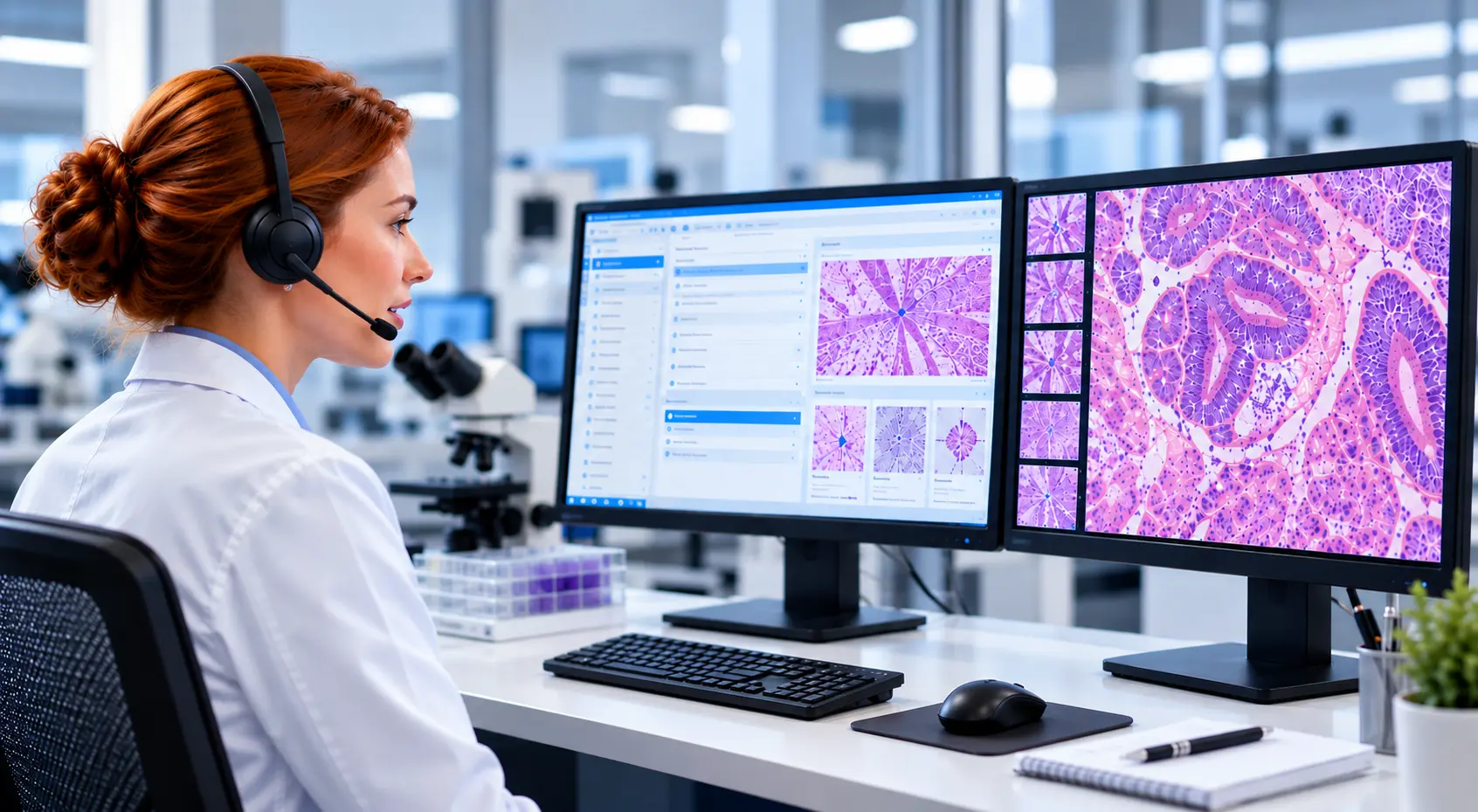
Modern laboratory information system (LIS) software has evolved beyond its traditional role as a data repository. It now functions as an intelligent operational hub, enabling real-time visibility, advanced analytics, and proactive governance across clinical, operational, and financial domains.
This shift is redefining how laboratories approach laboratory workflow management, LIS staffing, turnaround time (TAT), and test utilization, turning insight into immediate action.
Discover More: The Role of Anatomic Pathology LIS Software in Optimizing Laboratory Workflow Management
From Static Reporting to Real-Time Intelligence
Historically, many laboratories relied on retrospective reports generated at the end of the day, week, or month. While useful, these reports often arrived too late to influence outcomes.
Modern laboratory information system companies have reimagined this model. Today’s medical LIS platforms deliver real-time dashboards and configurable reports that provide instant visibility into:
- Sample volumes and case mix
- Queue lengths and workflow bottlenecks
- Turnaround time trends
- Staff workload distribution
- Laboratory billing and reimbursement performance
This real-time access transforms the LIS model from passive reporting to active decision support. Lab managers no longer need to wait; they can respond immediately.
For example, if turnaround times begin to trend upward in a specific department, supervisors can identify the issue in real time and reallocate resources before delays escalate.
Get Insight: The New Era of Laboratory Informatics - From Manual Tasks to Sustained Success

Optimizing LIS Staffing with Data-Driven Insights
One of the most pressing challenges in laboratory operations is staffing. Workforce shortages, combined with increasing diagnostic demand, require more with less.
Modern LIS software supports LIS staffing optimization by providing granular visibility into workload and productivity. Managers can:
- Monitor staff workload by role, department, or case type
- Identify underutilized or overloaded team members
- Adjust staffing levels dynamically based on real-time demand
- Align subspecialty expertise with case complexity
Rather than relying on static schedules or assumptions, labs can make staffing decisions based on live data.
For example, if a surge in molecular testing creates a backlog, the lab information system can highlight the imbalance, enabling managers to reassign qualified personnel or prioritize cases accordingly.
Laboratory information system automation further enhances staffing efficiency. Rule engines and workflow automation reduce manual tasks such as data entry, case routing, and result verification, freeing staff to focus on higher-value diagnostic work.
Discover More: Unleashing Laboratory Excellence: Here’s How LigoLab’s Automation Engine Supercharges Lab Performance
Improving Turnaround Time Through Workflow Visibility
Turnaround time remains one of the most critical performance metrics in any laboratory. Delays impact patient care and also affect client satisfaction and revenue.
Modern LIS medical software improves turnaround time by enabling complete visibility into the specimen lifecycle. From accessioning to reporting, every step is tracked and monitored.
Key capabilities include:
- Real-time tracking of specimen status
- Identification of workflow bottlenecks
- Automated case routing based on priority and workload
- Alerts for delays or exceptions
If a bottleneck occurs, such as delays in slide preparation or pathologist review, the laboratory information system pinpoints the exact stage where the slowdown happens.
This level of transparency enables labs to move from reactive troubleshooting to proactive workflow optimization, ensuring consistent and predictable turnaround times.
Discover More: How Laboratory Information System Software Helps Medical Labs Offer Flawless Service
Enhancing Test Utilization and Reducing Waste
Optimized test utilization is essential for both clinical quality and financial sustainability. Over-ordering, duplicate testing, or unnecessary panels can drive up costs and reduce efficiency.
Modern pathology LIS systems support better utilization by integrating clinical data, ordering patterns, and analytics into a unified view.
With advanced laboratory workflow management tools, labs can:
- Analyze ordering trends by provider, test type, or location
- Identify redundant or low-value testing patterns
- Implement rules to guide appropriate test selection
- Provide decision support at the point of order entry
These capabilities help ensure that the right tests are performed at the right time, reducing waste and improving patient outcomes.
Get Insight: Customizing LIS Systems for Specialized Laboratory Needs
Connecting Laboratory Billing and Lab Revenue Cycle Management
One of the most powerful aspects of modern LIS software is its ability to connect clinical workflows with financial outcomes.
Unlike legacy laboratory information systems that separate operations from lab billing, advanced LIS software platforms integrate laboratory billing and laboratory revenue cycle management (lab RCM) directly into the workflow.
This integration enables:
- Real-time eligibility verification
- Automated claim generation and scrubbing
- Immediate visibility into claim status and denials
- Tracking of reimbursement timelines
For example, if denial rates increase for a specific payer or test, managers can identify the issue immediately and adjust workflows or coding practices before revenue is impacted.
By connecting operational performance with financial metrics, labs gain a clear view of how their activities drive medical laboratory profitability, enabling faster, more informed decisions.
Case Study: Leveraging LIS System & Lab RCM Integration to Improve the Laboratory Billing Process

Supporting Digital Pathology and Advanced Diagnostics
The rise of digital pathology solutions is further expanding the role of laboratory information system software in performance analytics.
Modern LIS system software platforms integrate seamlessly with digital pathology tools, enabling:
- Remote case review and collaboration
- AI-assisted diagnostics and decision support
- Enhanced data capture for analytics and reporting
This integration improves diagnostic efficiency and also generates valuable data that can be used to refine workflows, optimize staffing, and improve turnaround times.
As digital pathology adoption accelerates, LIS lab platforms will play a central role in orchestrating these advanced workflows.
Case Study: From Launch to Lift-Off - Highlighting Goldfinch Laboratory’s Formula for Rapid Growth
Sample Tracking and Operational Transparency
Another critical component of modern LIS software is end-to-end sample tracking.
Every sample is assigned a unique identifier and monitored throughout its lifecycle using barcoding and location tracking. This ensures:
- Complete chain-of-custody visibility
- Reduced risk of lost or misplaced specimens
- Immediate identification of delays or bottlenecks
If a backlog develops in a specific area, managers can quickly identify the root cause and take corrective action.
This level of transparency enhances both operational efficiency and compliance, key priorities for laboratories of all sizes.
Discover More: What to Look Out for and Avoid When Shopping for a New LIS System
Examples of Laboratory Information Systems in Action
Leading examples of laboratory information systems demonstrate how integrated platforms can transform operations.
Modern solutions like LigoLab’s all-in-one medical LIS & lab billing platform combine:
- Real-time dashboards and analytics
- Advanced workflow automation
- Integrated lab billing supported by advanced RCM tools
- Digital pathology connectivity
- Scalable architecture for growth
These capabilities illustrate how today’s LIS software has become a powerful system of action.
On-Demand Webinar: From LIS Systems of Record to LIS Systems of Action
The Future of the LIS Model: From Insight to Action
The evolution of the LIS model reflects a broader shift in healthcare toward data-driven decision-making.
Modern LIS software empowers laboratories to:
- Make real-time operational adjustments
- Optimize staffing and resource allocation
- Maintain consistent turnaround times
- Improve test utilization and reduce waste
- Maximize revenue through integrated billing workflows
Over time, these capabilities lead to measurable improvements in efficiency, quality, and financial performance.
Discover More: The Future of Medical Labs - Embracing Tech & Personalization

Building a Smarter, More Responsive Laboratory
In today’s fast-paced healthcare environment, laboratories cannot afford to rely on outdated LIS systems or delayed insights.
Modern laboratory information system software provides the visibility, automation, and analytics needed to operate with precision and agility.
Ready to Take the Next Step?
Connect with a LigoLab product specialist to see how a modern LIS system can elevate your lab’s performance.
Act Now: Speak with a Product Expert!
FAQs: Advanced Laboratory Information System Software and Smarter Lab Decision-Making
How do laboratory information systems support lab decision-making?
Modern LIS software provides real-time dashboards and analytics that give lab managers visibility into workflows, staffing, turnaround times, and financial performance. This enables faster, data-driven decisions.
How does LIS software improve staffing efficiency?
LIS staffing tools track workload distribution and productivity, enabling managers to allocate resources dynamically, reduce bottlenecks, and optimize staff utilization.
Can LIS software help reduce turnaround time?
Yes. Modern LIS software monitors every stage of the specimen lifecycle, identifies bottlenecks, and automates workflows to ensure faster and more consistent turnaround times.
How does LIS software support test utilization management?
Advanced LIS platforms analyze ordering patterns and provide decision support to reduce unnecessary or duplicate testing, improving efficiency and lowering costs.
What role does the LIS system play in laboratory billing and lab revenue cycle management?
Modern LIS software integrates laboratory billing and lab revenue cycle management directly into workflows, enabling real-time eligibility checks, claim tracking, and denial management to improve revenue performance.
How do digital pathology solutions integrate with LIS systems?
Digital pathology solutions connect with advanced LIS software to enable remote case review, AI-assisted diagnostics, and enhanced analytics, improving both efficiency and collaboration.
What are examples of laboratory information systems used today?
Examples of laboratory information systems include modern, integrated solutions like LigoLab’s all-in-one informatics platform that combines workflow automation, analytics, lab billing, and digital pathology support into a single solution.