Blog
Transforming Patient Care: The Power of Laboratory Information Systems (LIS) in Healthcare

June 1, 2026
.webp)
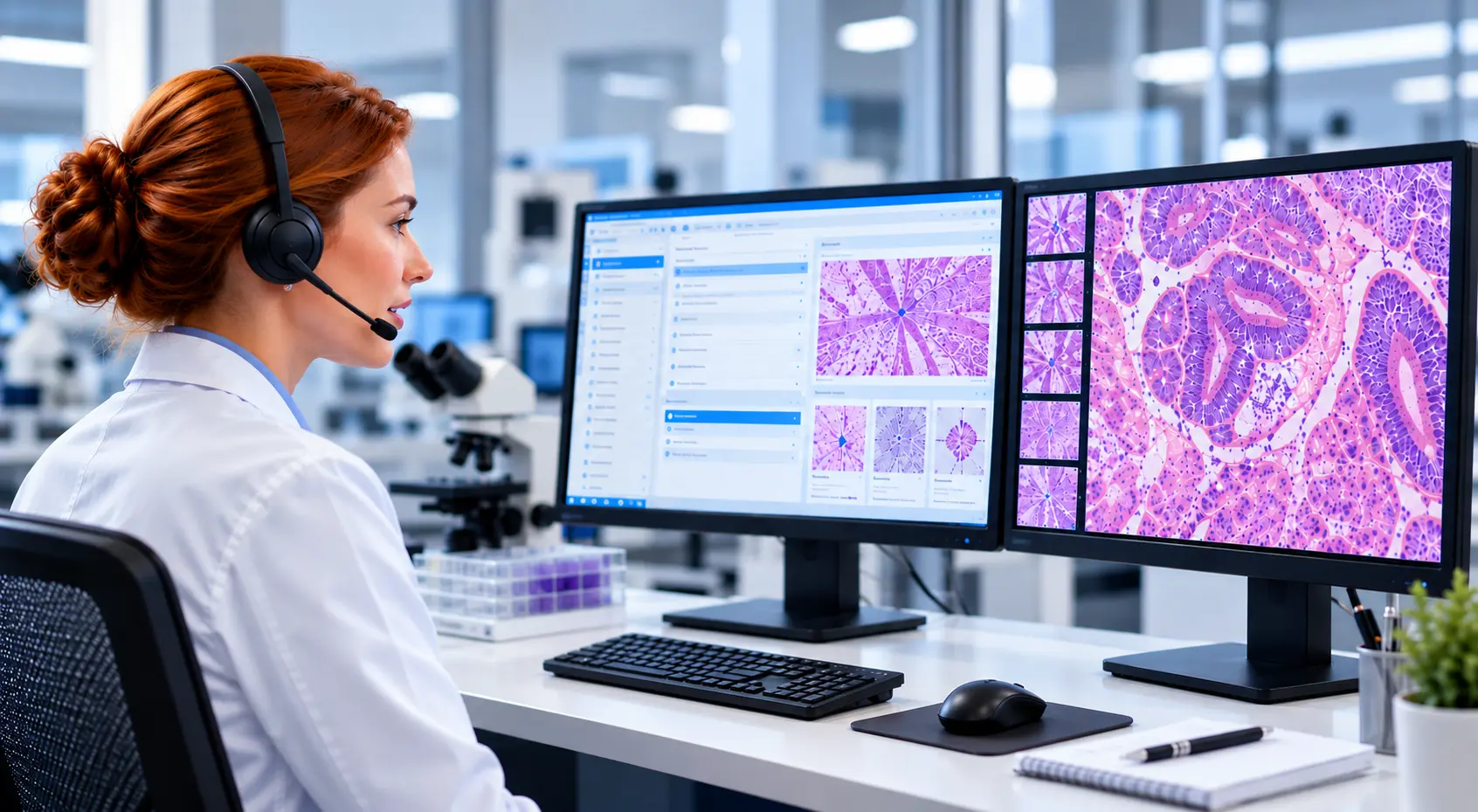
Laboratory information systems are essential, streamlining patient and specimen data management in clinical and pathology environments. This data generates clinical insights, enhances outcomes, and optimizes efficiency in anatomic pathology and clinical laboratories.
Key Laboratory Information System Functions for Healthcare Providers
Modern laboratory information system software offers advantages such as faster data processing, improved interoperability, and easier reporting, all of which result in better care and outcomes.
Core Benefits of Advanced LIS Software
Automating Laboratory Workflow Management: Modern LIS systems reduce manual touches through automated rules, increasing efficiency and minimizing error risk.
Integrating Data From Other Laboratory Software Systems: The best laboratory information system software enables seamless, silo-free data sharing and communication across various healthcare systems.
Managing Laboratory Equipment and Supplies: Advanced medical LIS systems aid in resource utilization and inventory control.
Generating Data-Driven Reports: The latest LIS system software enables healthcare providers to make informed decisions based on accurate, up-to-date patient and specimen data.
Facilitating Access to Reports for Physicians: Advanced LIS systems enable faster decision-making and treatment planning.
Simplifying Access to Patient Data: The best LIS systems streamline data imports and retrieval via interfaces with instruments, EHRs, and third-party services, promoting an efficient flow of information and better patient outcomes.
Ensuring Reliable Sample Tracking and Lab Test Results: Advanced LIS systems reduce sample-tracking and reporting errors, enabling timely, accurate diagnoses.
Improving Laboratory Billing Process Efficiency: Modern laboratory information systems optimize lab billing workflows and reduce administrative burden across the entire laboratory revenue cycle management process.
Enhancing Communication Between Hospitals and Laboratories: The best laboratory information system software fosters collaboration and delivers fast, accurate test results, ultimately leading to improved patient care.
Discover More: The Best Laboratory Information System Companies and the Advantages They Offer to Their Laboratory Clients

How Advanced Laboratory Information Systems Transform Medical Settings
The best laboratory information systems have transformed the way patient and specimen data are collected, organized, and used across healthcare. These modern LIS systems connect information from MRI and CT imaging, laboratory analyzers, and electronic health records (EHRs). By integrating data from multiple sources, advanced medical LIS software helps hospitals, clinics, and urgent care centers work more efficiently and productively.
In particular, modern laboratory information systems have become vital for pathology labs. They oversee the full testing process and ensure compliance with regulatory standards. By streamlining workflows, enhancing accuracy, and strengthening collaboration, these advanced medical laboratory solutions enable providers to deliver higher-quality care and improve patient outcomes.
Discover More: How do I Know if My Laboratory has Outgrown its LIS System?
The Indispensable Role of Laboratory Information Systems in Independent Laboratories
Independent anatomic pathology practices and clinical and molecular laboratories that handle significant test volumes greatly benefit from the robust laboratory workflow management software developed by leading laboratory information system vendors. The best LIS software streamlines and simplifies lab workflows by creating a single source of truth for all data, enabling independent medical laboratories to deliver accurate, timely results that satisfy and retain customers while improving patient care.
The Three Key Phases of Laboratory Information System Workflow
Advanced laboratory information systems and leading LIS vendors play a vital role in supporting the smooth flow of work across all three analytical phases of laboratory operations.
Pre-Analytical Phase
Modern laboratory information systems streamline test ordering, specimen collection, and sample tracking, reducing the risk of errors and ensuring samples are prepared correctly for analysis.
Analytical Phase
Advanced laboratory information system software routes specimens to the appropriate analyzers, facilitating efficient data processing and accurate result generation. By automating this process, laboratories can handle higher test volumes with greater precision and improved turnaround times.
Post-Analytical Phase
The most effective laboratory information systems support result transmission, report generation, critical value alerts, and thorough documentation, granting healthcare providers access to accurate, complete data that drives better decisions and elevates patient care.
Discover More: A Detailed Look at How Modern Laboratory Information Systems Fully Support Quality Control

Embracing the Latest Laboratory Information System Software Technology
By adopting the best LIS lab technology, independent medical facilities benefit from advanced laboratory information system functions.
Key Advantages of Modern LIS Lab Technology
Enhanced Efficiency: Advanced laboratory information systems automate many manual processes, enabling laboratories to manage higher test volumes without compromising accuracy or speed.
Improved Accuracy: By reducing the risk of human error in specimen handling, sample tracking, and data processing, modern LIS systems ensure more accurate test results, leading to better patient care and outcomes.
Streamlined Communication: The latest lab information system solutions facilitate seamless communication between independent laboratories and other healthcare facilities, promoting a valuable collaborative approach to patient care.
Easier Compliance With Regulations: The best LIS software technology helps medical laboratories maintain compliance with industry standards and regulatory requirements by providing a comprehensive audit trail and automating essential pathology and clinical laboratory management processes.
Increased Competitiveness: By embracing advanced LIS lab technology, independent testing organizations can offer faster, more accurate services and support client preferences for lab report design and distribution, gaining a competitive edge in the marketplace.
Discover More: How LigoLab's Pathology Lab Software Supports Lab Report Customization and Client Preferences
LigoLab's Comprehensive Lab Information System and the Value it Brings to Independent Labs
The all-in-one LigoLab Medical LIS & Lab Billing Informatics Platform supports growing independent anatomic pathology practices and clinical and molecular labs by optimizing workflow efficiency, minimizing operational costs, and elevating both professional and business standards.
Comprehensive Training and Support for Medical Personnel
LigoLab is a LIS company committed to empowering lab technicians, lab managers, and other medical professionals with the knowledge and skills needed to maximize the use of its diagnostic lab software. Through extensive training and ongoing support, healthcare professionals can unlock the full benefits of LigoLab's fully-featured LIS software, enhancing job satisfaction and optimizing patient outcomes.
Discover More: What Lab Leaders Should Do Immediately After Receiving Notice Their LIS System is Sunsetting

The Advantages of Adopting a Flexible and Integrated Medical Laboratory Information System
Transitioning to a comprehensive, highly configurable, and fully integrated medical laboratory information system with embedded laboratory billing functionality offers numerous benefits for modern medical labs. With LigoLab's advanced LIS system technology, they can:
Streamline Operations: LigoLab's all-in-one LIS model simplifies laboratory workflows and lab revenue cycle management (Lab RCM), enabling healthcare providers to work more efficiently.
Enhance Patient Care: By reducing the risk of human error and ensuring accurate test results, LigoLab's enterprise-grade LIS software solution helps healthcare professionals make informed decisions for better patient care.
Boost Collaboration: LigoLab's integrated LIS lab platform enables seamless communication across healthcare facilities, fostering a collaborative approach to patient care.
Improve Compliance: LigoLab's medical laboratory solutions help maintain compliance with industry standards and regulatory requirements through a comprehensive audit trail, and automated LIS and lab revenue cycle management processes.
Save Time and Resources: By automating routine tasks and simplifying clinical workflows, LigoLab's advanced laboratory information system enables independent labs to save time and resources, control costs, scale efficiently, and deliver better patient care.
By adopting LigoLab's cutting-edge LIS medical technology, businesses can modernize their processes, consistently deliver exceptional patient care, and maintain a competitive edge in a dynamic, challenging healthcare environment.
Ready to Make the Move?
To learn more about LigoLab, its end-to-end medical laboratory solutions, customer-focused service, and tiered pricing LIS model that delivers value for businesses of all sizes and specialties, explore the links below before scheduling an introductory call with a LigoLab product specialist.
- Can Your Laboratory Information System Support the Latest LIS System Technology?
- How to Turn Your Mid-Sized Medical Laboratory into a Thriving Large-Scale Operation
- How to Prepare for Tomorrow's Tech-Enabled Clinical Lab
Take Action: Schedule an Introductory!
Frequently Asked Questions About Laboratory Information Systems and Patient Care
What is a laboratory information system, and why is it important for patient care?
A laboratory information system (LIS) is a diagnostic lab software platform that manages all aspects of operations, from specimen tracking and test ordering to result reporting and laboratory billing. It is central to patient care because nearly 70 percent of medical decisions rely on lab test results. A modern LIS system ensures those results are accurate, timely, and accessible to the right providers at the right time.
What are the key functions of a modern laboratory information system?
Key functions include automating laboratory workflow management, integrating data from instruments and EHR systems, managing equipment and supplies, generating data-driven reports, facilitating physician access to results, ensuring accurate specimen tracking, streamlining laboratory billing, and enhancing communication between labs and healthcare facilities.
How do the three analytical phases of the LIS system workflow support better lab operations?
The pre-analytical phase streamlines test ordering and specimen preparation. The analytical phase routes specimens to the correct analyzers and automates result generation. The post-analytical phase manages result transmission, report generation, and critical value alerts. Together, these phases ensure accurate, efficient, and compliant lab operations from start to finish.
How does an advanced LIS system differ from a legacy laboratory information system?
Legacy LIS systems often operate with rigid architectures, disconnected workflows, and labor-intensive processes that can limit scalability and create data consistency challenges. In contrast, modern LIS software platforms are highly configurable, support interoperability with EHRs and third-party applications, leverage automation, and provide a unified environment for supporting multiple diagnostic disciplines. This integrated approach helps improve efficiency, accuracy, compliance, and overall patient care outcomes.
How does LIS software improve laboratory billing and revenue cycle management?
Modern LIS systems with embedded lab billing functionality automate CPT and ICD coding, validate claims before submission, and integrate billing directly into the clinical workflow, starting the RCM cycle at order entry. This reduces denials, minimizes revenue leakage, and eliminates manual back-office billing processes common with legacy or standalone billing systems.
Can a laboratory information system help labs stay compliant with regulations?
Yes. Advanced LIS systems support regulatory compliance by providing comprehensive audit trails, automating quality control checks, generating CAP and CLIA-ready reports, and enforcing standardized workflows. They reduce the manual burden of compliance documentation and minimize the risk of penalties or audit failures.
What makes LigoLab's platform particularly suited for independent labs?
LigoLab's all-in-one Medical LIS & Lab Billing Informatics Platform is designed specifically for growing independent anatomic pathology, clinical, and molecular labs. It combines a highly configurable LIS system with embedded lab billing, direct-to-consumer lab testing capabilities, and a tiered pricing LIS model based on testing volume, with no upfront capital investment required, no hidden fees, and unlimited support and upgrades.