Blog
How Anatomic Pathology Groups Can Recruit and Retain the Next Generation of Pathologists
April 3, 2026

Anatomic pathology groups are entering a defining decade. A significant portion of today’s workforce is nearing retirement, while demand for pathology services continues to rise due to population growth, aging demographics, and increasing diagnostic complexity. Over the next 8–10 years, this imbalance will create both a talent shortage and a strategic opportunity for forward-thinking organizations.
To compete, pathology groups must rethink how they attract and retain early-career pathologists. Compensation and location still matter, but they are no longer enough. Today’s emerging workforce is prioritizing efficiency, flexibility, collaboration, and access to modern technology. At the center of this shift is the laboratory information system (LIS) and the broader digital ecosystem that supports daily diagnostic work.
Industry Insights: Best LIS Systems in 2026 - Top Laboratory Information Systems Compared for Clinical, Pathology, and Outreach Labs
The Workforce Challenge: A Generational Transition
Many experienced pathologists are approaching retirement, taking with them decades of institutional knowledge. At the same time, the pipeline of new pathologists is not expanding fast enough to meet projected demand. This creates a widening gap that will place pressure on turnaround times, case distribution, and overall operational capacity.
Younger pathologists entering the field have different expectations. They are digital natives who have been trained with advanced tools, including digital pathology, AI-assisted diagnostics, and integrated lab database software systems. When evaluating job opportunities, they are not just assessing compensation; they are evaluating the tools and workflows that will define their day-to-day experience.
Industry Insights: Laboratory Information Systems and Their Key Role in Lab Data Analytics
Why Technology Is Now a Primary Recruiting Lever
A modern anatomic pathology software environment is a critical factor in both recruitment and retention. Pathologists want to work in environments where technology reduces friction, not adds to it.
Legacy laboratory software systems, especially outdated anatomic pathology LIS platforms, can create significant inefficiencies:
- Manual data entry and duplicate workflows
- Limited interoperability between systems
- Slow case navigation and reporting processes
- Lack of remote access or digital pathology support
These challenges contribute to frustration, burnout, and ultimately turnover.
In contrast, groups that invest in a modern LIS software platform position themselves as innovative, efficient, and forward-looking, qualities that strongly appeal to early-career professionals.
Discover More: Cost of Inaction - The Dire Consequences of Neglecting Modernization in Laboratory Operations and Informatics
What Young Pathologists Are Looking For
To successfully recruit and retain talent, pathology groups must align their operations with what younger pathologists value most:
1. Efficient, Streamlined Workflows
A modern LIS pathology platform should reduce administrative burden through automation, intuitive interfaces, and intelligent workflow design. Pathologists want to spend more time on diagnosis, not navigating systems.
2. Digital Pathology Enablement
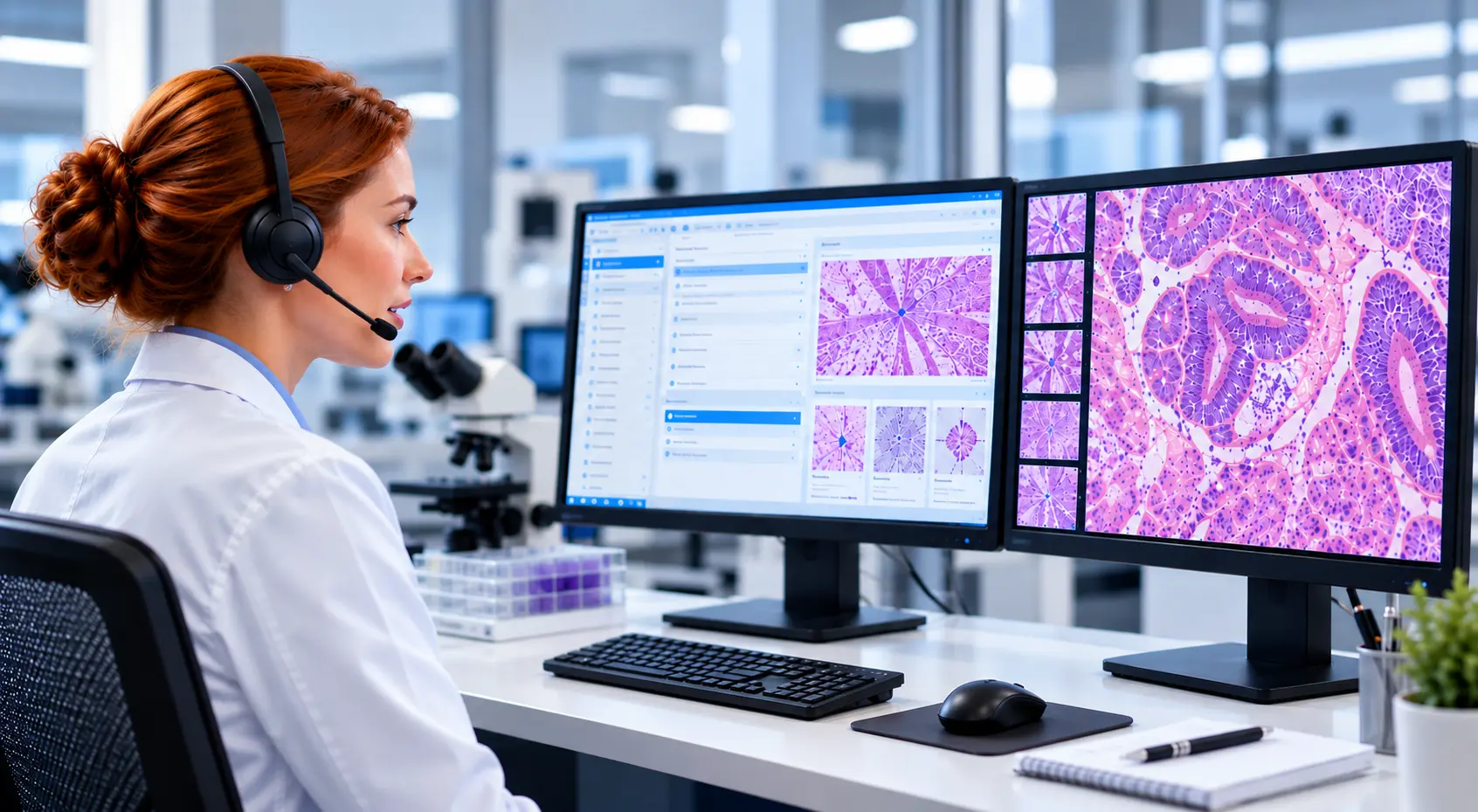
The ability to review cases remotely, collaborate in real-time, and leverage digital slides is increasingly expected. Integration between digital pathology tools and the laboratory information system is essential.
3. AI and Decision Support
Emerging pathologists are eager to work with AI-assisted tools that enhance diagnostic accuracy and efficiency. A future-ready pathology management software platform should support these capabilities within the workflow.
4. Flexibility and Work-Life Balance
Remote sign-out, flexible scheduling, and distributed case review are major advantages in recruitment. These capabilities depend on a robust, secure, and accessible lab information system infrastructure.
5. Data Transparency and Insight
Modern pathologists expect access to performance metrics, case data, and analytics that help them improve and contribute strategically to the organization.
Discover More: How Advanced LIS Software Helps Pathologists Sign Out Anatomic Pathology Cases Faster

The Role of a Modern Laboratory Information System in Talent Strategy
A next-generation laboratory information system does more than manage data; it becomes the operational backbone of the laboratory. For pathology groups, this has direct implications for talent acquisition and retention.
Reducing Friction and Burnout
An advanced anatomic pathology LIS automates repetitive tasks such as case routing, report generation, and coding support. This reduces cognitive load, enabling pathologists to focus on high-value work.
Enabling Seamless Collaboration
Integrated systems connect pathologists with colleagues, clinicians, and digital pathology platforms. This fosters a collaborative environment that is especially attractive to younger professionals.
Supporting Growth and Specialization
Modern LIS software platforms can intelligently route cases based on subspecialty, workload, and a pathologist’s expertise. This empowers pathologists to focus on areas where they can excel and grow professionally.
White Paper: Summit Pathology - Achieving Laboratory Profitability Amidst Operational Pressures
Building a Recruitment Strategy Around Technology
Pathology groups should actively highlight their technology stack when recruiting. This includes:
- Demonstrating the capabilities of their anatomic pathology software during interviews
- Showcasing the benefits of digital pathology integration and remote workflows
- Highlighting automation, AI readiness, and analytics capabilities
- Positioning their LIS system investment as a commitment to operational excellence
Candidates should be able to clearly see how the organization’s technology will enhance their work.
On-Demand Webinar: ECPC’s Strategic Leap into Digital Pathology
Retention: Keeping Talent Engaged for the Long Term
Recruitment is only half the equation. Retention requires continuous investment in both people and technology.
Ongoing Innovation
Pathologists want to work in dynamic environments that evolve. Regular updates, new features, and expanding capabilities within the LIS pathology platform demonstrate a commitment to progress.
Training and Enablement
Providing training on advanced features, AI tools, and workflow optimization ensures that pathologists can fully leverage the LIS system and feel confident in their work.
Listening to User Feedback
Modern pathology management software platforms should be configurable and adaptable. Incorporating feedback from pathologists into system improvements fosters engagement and ownership.
Aligning Technology with Career Growth
When pathologists see that their tools support efficiency, specialization, and innovation, they are more likely to remain with the organization long term.
The coming decade will reshape anatomic pathology. Workforce shortages, rising demand, and technological advancement will converge to create both challenges and opportunities.
Pathology groups that embrace modern LIS software, invest in integrated digital workflows, and prioritize user experience will be best positioned to thrive. More importantly, they will become magnets for the next generation of pathologists.
Discover More: LigoLab - An Intuitive Pathology Lab Software Designed for Fewer Clicks and Faster Workflows
Build the Future of Pathology with the Right Technology
Recruiting and retaining the next generation of pathologists requires an environment where professionals can thrive. A modern laboratory information system, powered by advanced anatomic pathology software and integrated digital tools, is essential to delivering that experience.
Connect with a LigoLab product specialist today to see how the best LIS can help you attract top talent and lead the future of pathology.
Act Now: Speak with a LigoLab Product Expert!
FAQs: Recruiting and Retaining Pathologists with Modern LIS Software
What challenges are anatomic pathology groups facing with workforce shortages?
Many anatomic pathology groups are experiencing a wave of retirements as senior pathologists retire from the workforce. At the same time, demand for services is rising. This creates a growing gap between supply and demand over the next 8–10 years.
How can pathology groups attract young pathologists?
To attract early-career pathologists, groups must offer more than competitive salaries. They should provide modern tools, including advanced anatomic pathology software, a high-performing anatomic pathology LIS, digital pathology capabilities, and flexible work environments that support remote sign-out and collaboration.
Why is a modern laboratory information system important for recruitment?
A modern laboratory information system (LIS) improves workflow efficiency, reduces manual tasks, and enhances the overall user experience. Young pathologists prefer organizations that invest in the best LIS platforms because these systems enable faster diagnoses, better collaboration, and less administrative burden.
What features should the best LIS software include for pathology groups?
The best LIS software for pathology groups should include:
- Automated workflows and case routing
- Seamless integration with digital pathology systems
- AI-enabled decision support tools
- Real-time analytics and reporting
- Remote access capabilities
- Strong compliance and security features
These capabilities help improve efficiency and make the organization more attractive to new talent.
How does LIS pathology software improve retention?
Modern LIS pathology platforms reduce burnout by eliminating repetitive tasks and streamlining workflows. They also support professional growth through advanced features, such as AI tools, analytics, and subspecialty case distribution, helping pathologists stay engaged and productive.
What role does digital pathology play in recruitment and retention?
Digital pathology enables pathologists to review cases remotely, collaborate with colleagues, and leverage advanced diagnostic tools. When integrated with an anatomic pathology LIS, it delivers a streamlined workflow that enhances job satisfaction and supports better work-life balance, both critical to retaining top talent.
How can pathology management software support long-term workforce strategy?
Pathology management software enables better resource allocation, workload balancing, and performance tracking. These capabilities help organizations operate more efficiently while creating a supportive and scalable environment for pathologists.