
From Systems of Record to Systems of Action
_2026-06-10_16-05-43%201.webp)
_2026-06-10_12-16-41%201.webp)
Benefits of Moving from Record-Keeping to Action
Laboratories that adopt a system of action gain a stronger foundation for long-term growth.
The operational command center for the entire laboratory.
A traditional laboratory information system stores orders, results, patient data, quality records, and operational documentation — but it leaves the next step entirely to your team.
Instead of simply storing information, it orchestrates workflows, flags exceptions, triggers next steps, supports decision-making, and connects technical, financial, and administrative functions across the lab.
Many laboratories have outgrown older LIS software platforms that were built for a different era of healthcare.
LigoLab Is Leading the Shift to LIS Systems of Action
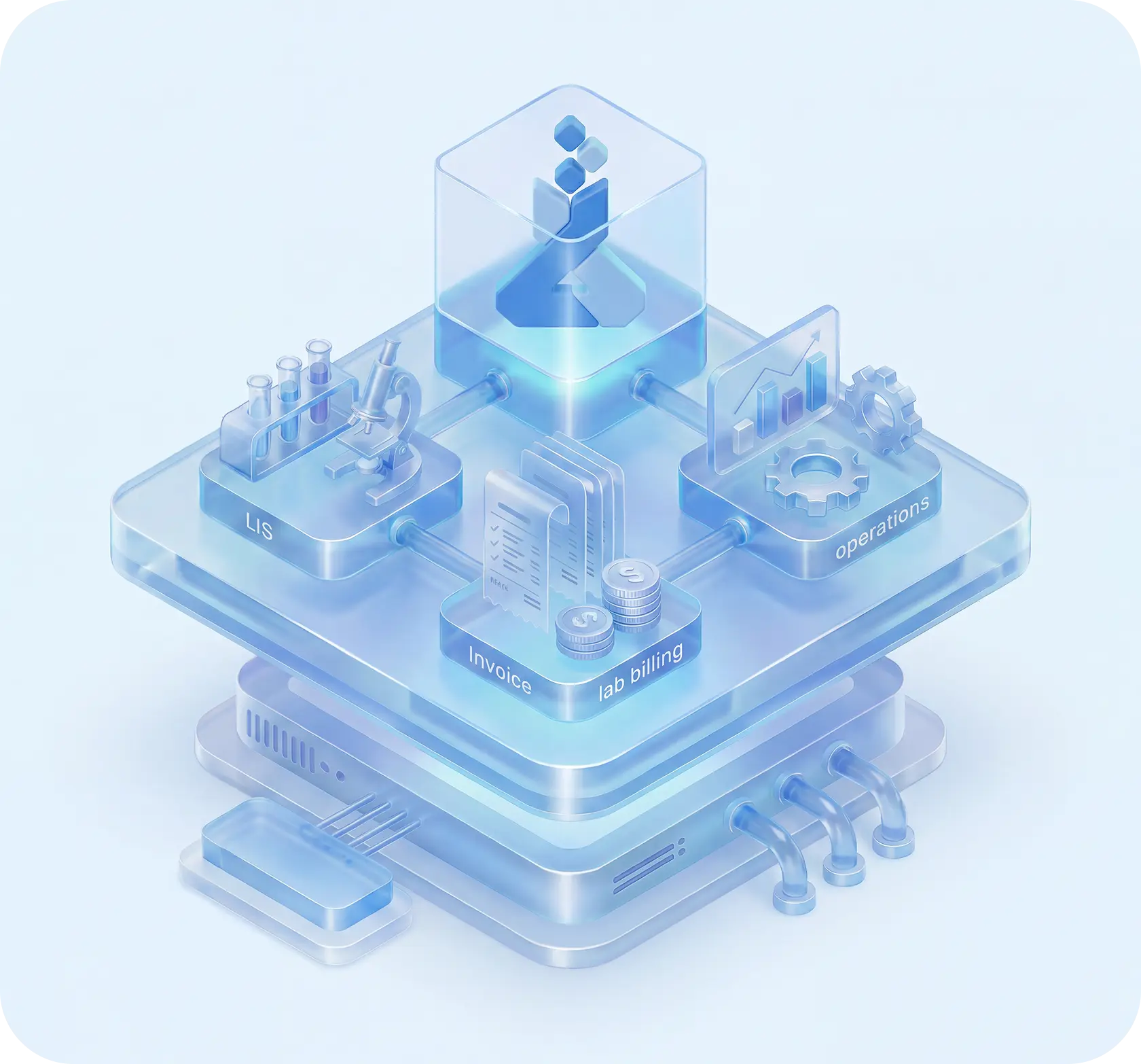
LigoLab’s all-in-one lab information system and laboratory billing platform is designed to help independent laboratories, pathology groups, and reference labs move beyond the limitations of legacy LIS software.
LigoLab unifies clinical, operational, financial, and administrative workflows within a single, no-silo environment. This integrated approach gives laboratories the visibility, automation, and control needed to operate more efficiently and scale with confidence.
With LigoLab, Labs Can Support:
Instead of forcing labs to work around outdated LIS software limitations, LigoLab gives them a modern platform designed to support continuous improvement and long-term success.
How Modern LIS Systems Drive Action
A future-proof LIS helps laboratories automate routine tasks, surface actionable insights, and respond to operational challenges in real time.
Intelligent Workflow Automation
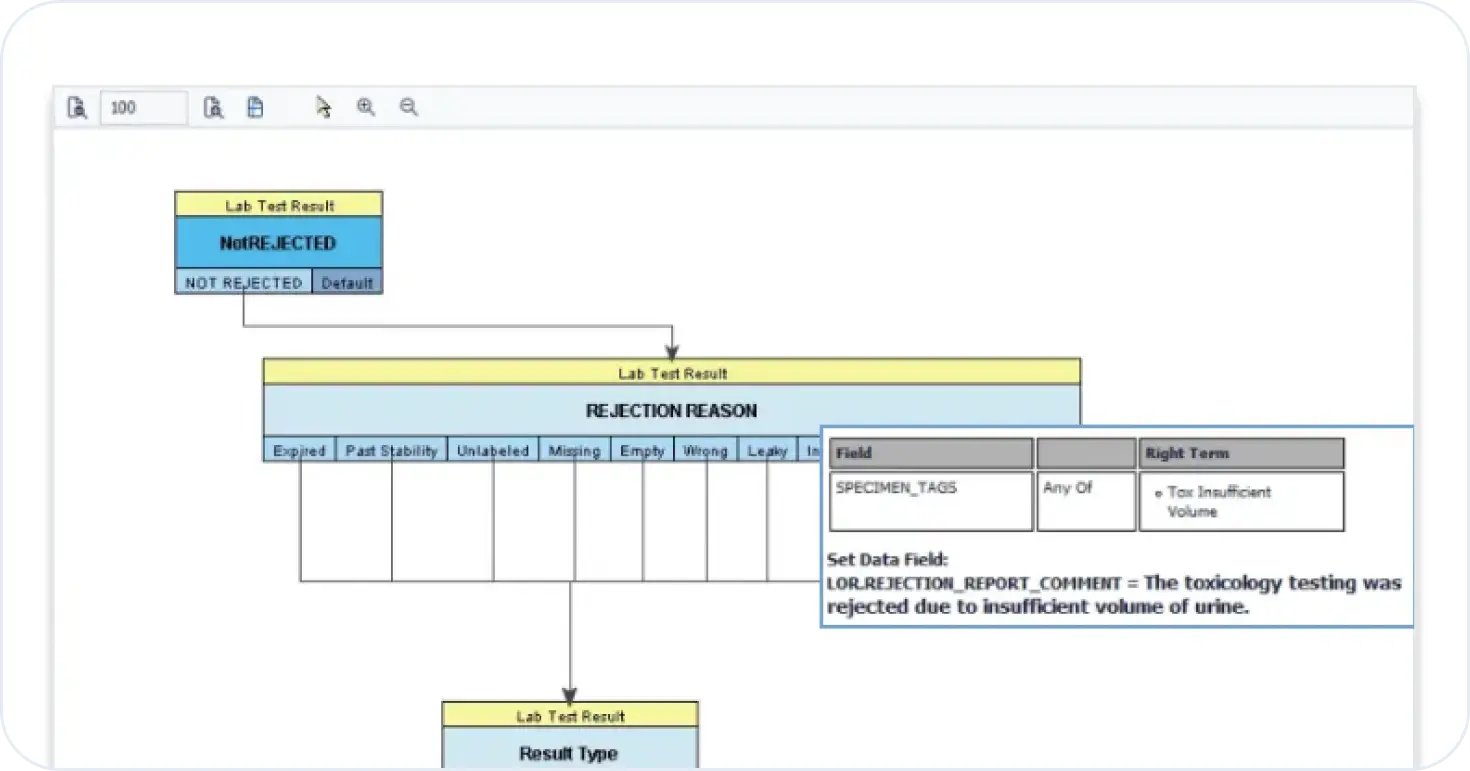
Advanced LIS platforms streamline laboratory operations by automating accessioning, specimen tracking, label generation, reflex testing, quality control activities, result validation, and exception handling. This automation reduces manual intervention while ensuring specimens progress through the laboratory efficiently, consistently, and with complete visibility.
Real-Time Alerts and Decision Support
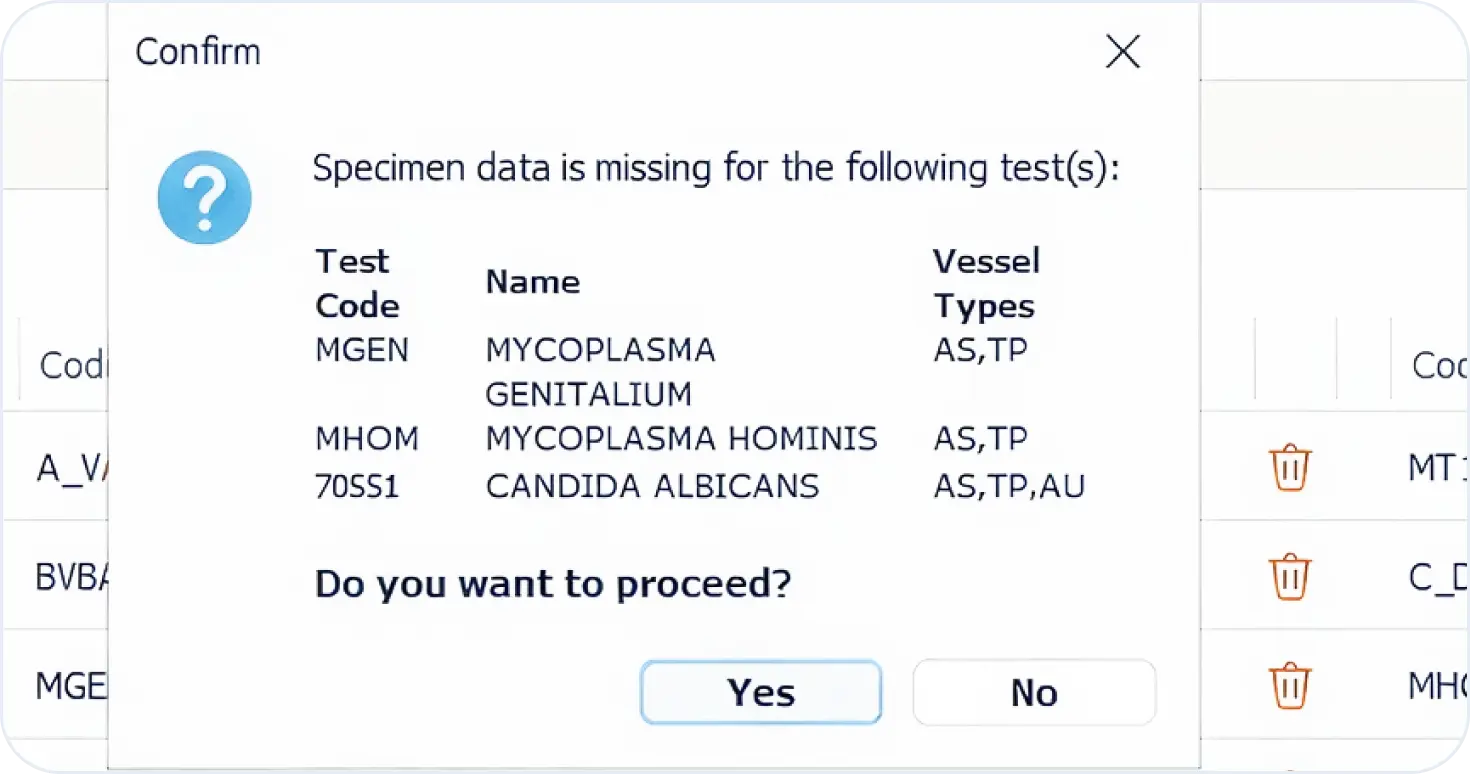
An LIS system of action alerts staff when results are critical, quality control values fall outside acceptable ranges, specimens require special handling, or cases are at risk of missing turnaround time goals. This helps laboratory teams shift from reactive troubleshooting to proactive management.
.webp)
Advanced Analytics and Operational Visibility
Real-time dashboards give lab leaders visibility into volumes, turnaround times, bottlenecks, staffing needs, payer trends, and revenue cycle performance. These insights help laboratory leaders make smarter decisions faster.
.webp)
Smooth Interoperability
Modern LIS platforms seamlessly connect with EHRs, instruments, reference labs, billing systems, patient portals, provider portals, and digital pathology solutions. A connected LIS reduces data silos, eliminates duplicate work, and ensures information moves where it is needed without unnecessary delays.
AI Is Powering the Next Generation of LIS Systems of Action
Artificial intelligence is helping laboratory information systems evolve from static record-keeping tools into engines for operational improvement. LIS systems of action combine automation, analytics, intelligent workflow rules, and AI-enabled capabilities to help laboratories work smarter, faster, and more efficiently.
As AI continues to reshape laboratory medicine, advanced informatics platforms will provide the modern foundation laboratories need to adopt new technologies, improve performance, and scale with confidence.
Ready to Leave Your Legacy LIS Behind?
The future of laboratory operations belongs to systems that do more than store data.
It belongs to solutions that automate workflows, guide decisions, connect operations, and help labs work with greater speed, accuracy, and intelligence.
If your current LIS is limiting growth, creating manual work, or making it difficult to adapt, now is the time to explore a better path forward.
LigoLab can help your laboratory move beyond the limitations of outdated software and embrace a more connected, intelligent approach to laboratory operations.